Read the shape first
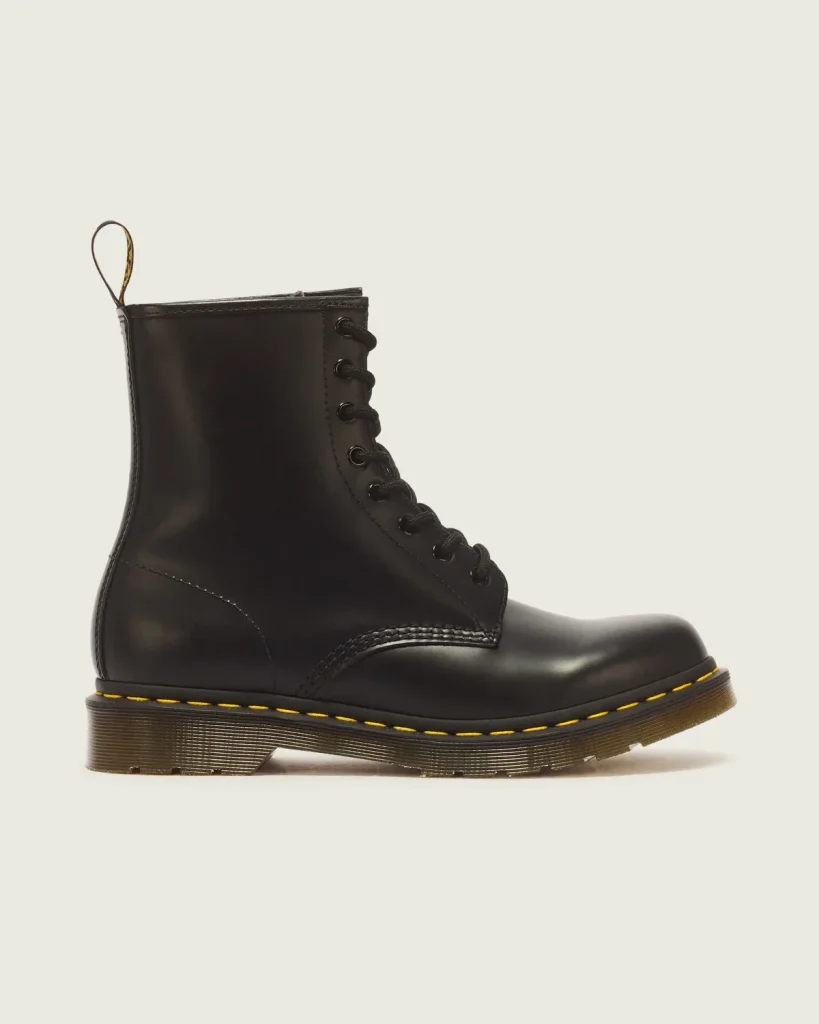
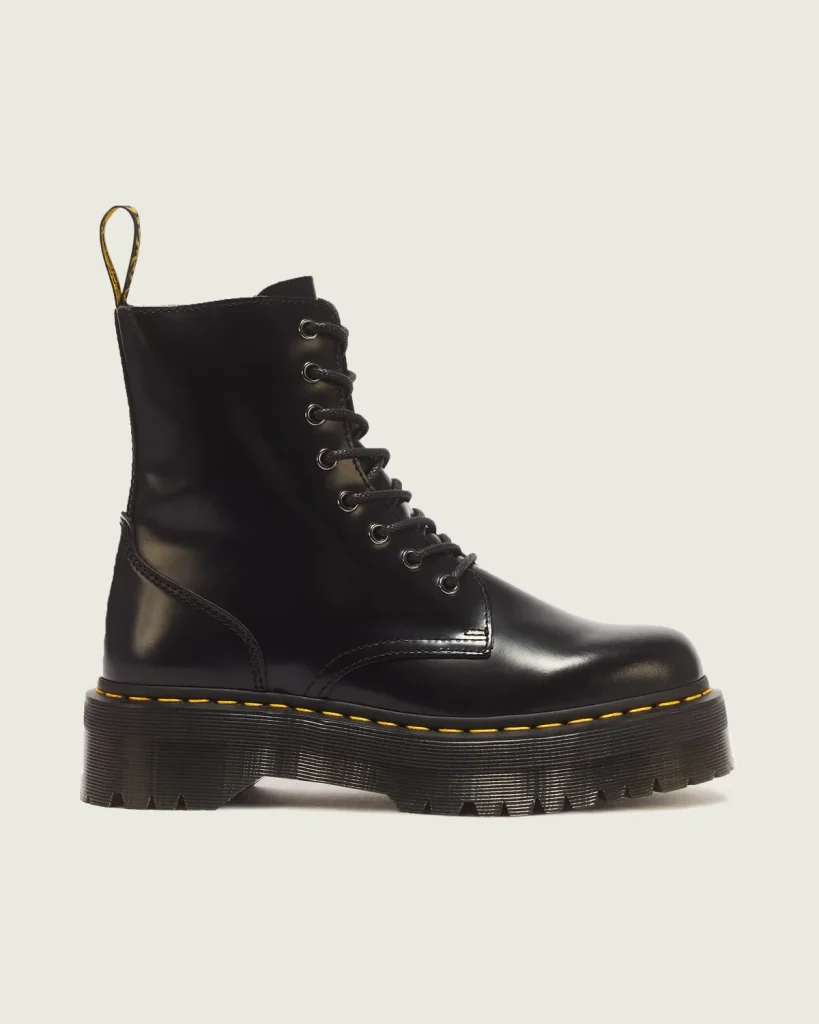
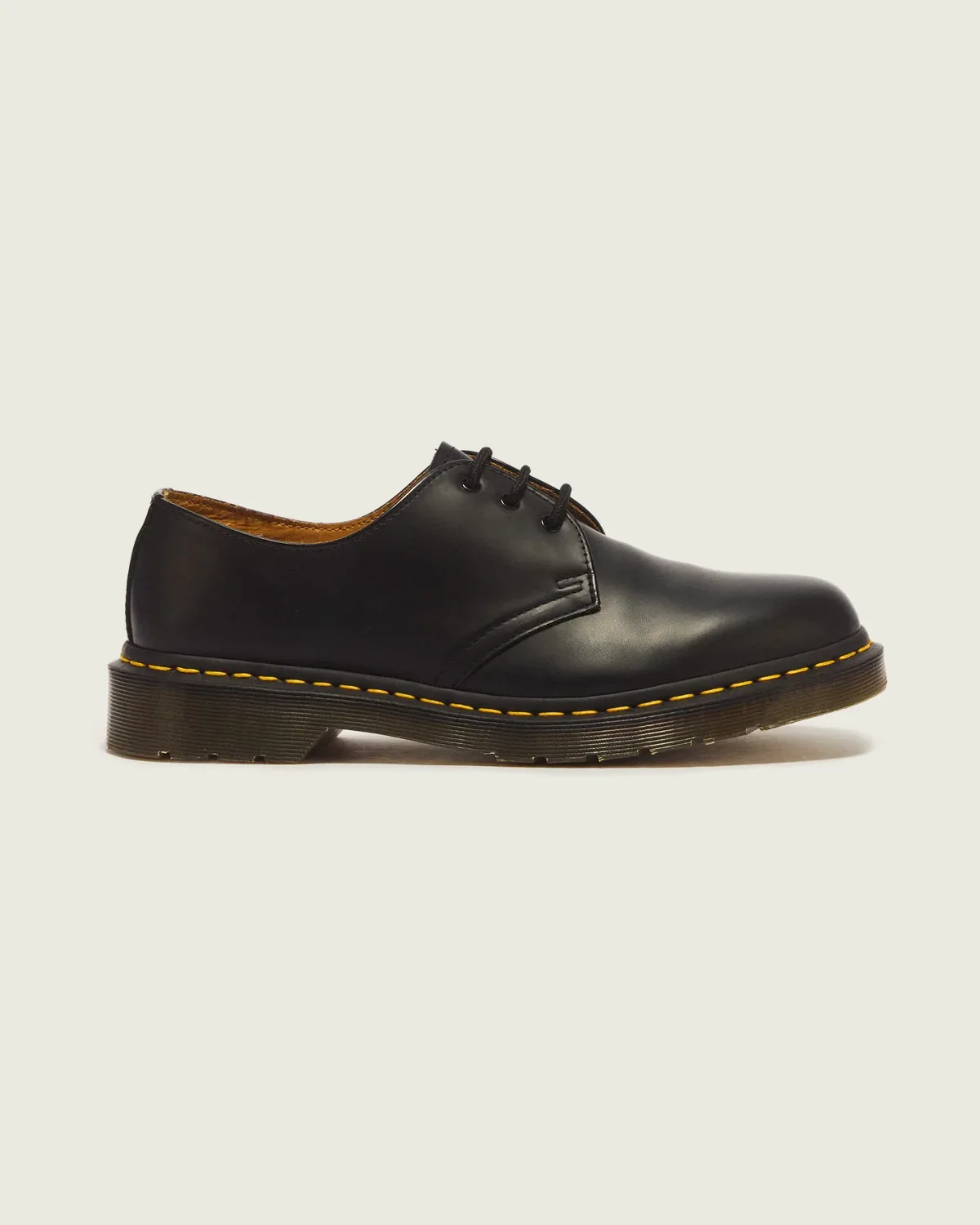
Look at the toe, sole thickness and position of the lacing before planning an outfit. A rounded low shoe can feel visually different from a narrow one, even in the same colour. Place it beside the trousers you wear most to judge the proportions.
Check the heel when walking
Try both shoes with the socks you intend to use. Walk, turn and take a few careful steps up and down if the shop allows it. Repeated heel slipping, toes striking the front or a tight instep deserve another fit trial; firm lacing cannot solve every mismatch.
Choose a useful hem length
A straight hem that touches the top of the shoe gives a continuous line. A shorter hem shows socks and the shoe opening. Test both while sitting as well as standing, and avoid fabric gathering beneath the heel where it can drag or catch.
Let socks do a clear job
Choose a thickness that works with the fit you tested. A ribbed sock adds visible texture; a tonal sock keeps the line quiet. If using a hidden sock, check that it stays in place and covers the areas that meet the shoe edge during walking.
Adjust the lace tension
Loosen the laces to put the shoe on, seat the heel and tighten in small steps. Keep pressure even rather than pulling only at the top. Check that the tongue lies flat and lace loops stay clear of the ground; replace frayed laces before they break.
Keep a simple rotation
Give a damp pair time to dry before wearing it again. Remove grit from the sole and clean the upper using the method suited to its finish. Before the next outing, check the heel edge and tread, especially if the route includes smooth station floors or stairs.
Wear what works for you. Make the story your own.