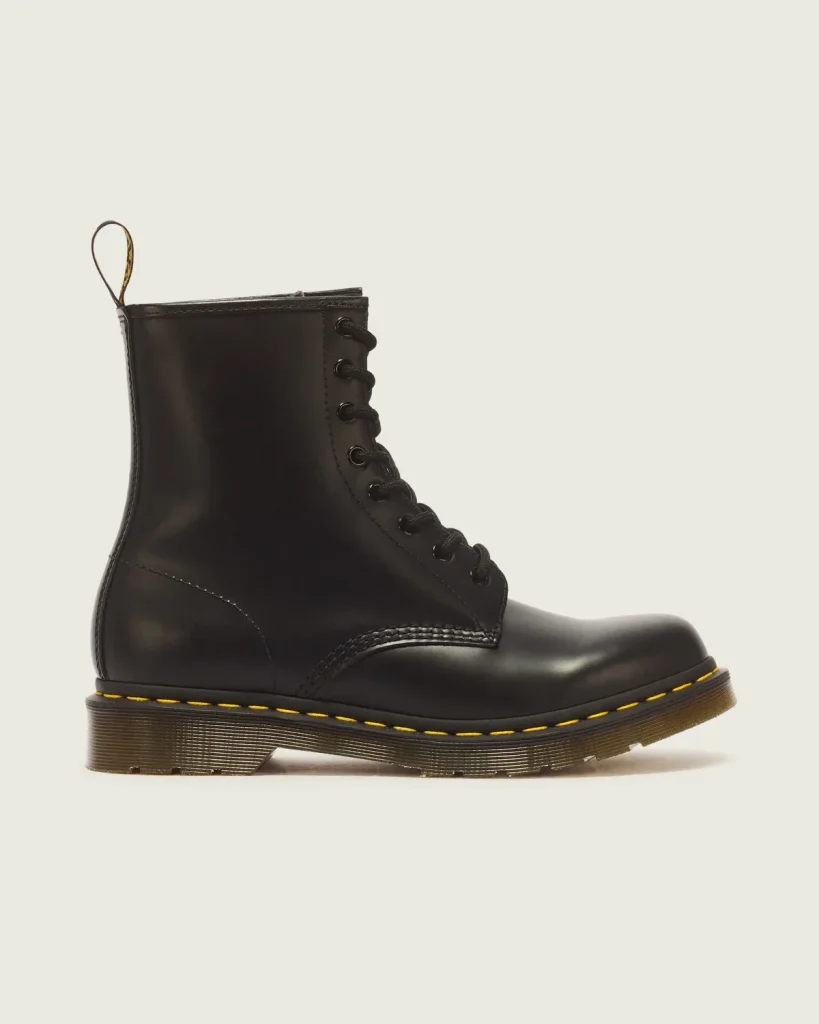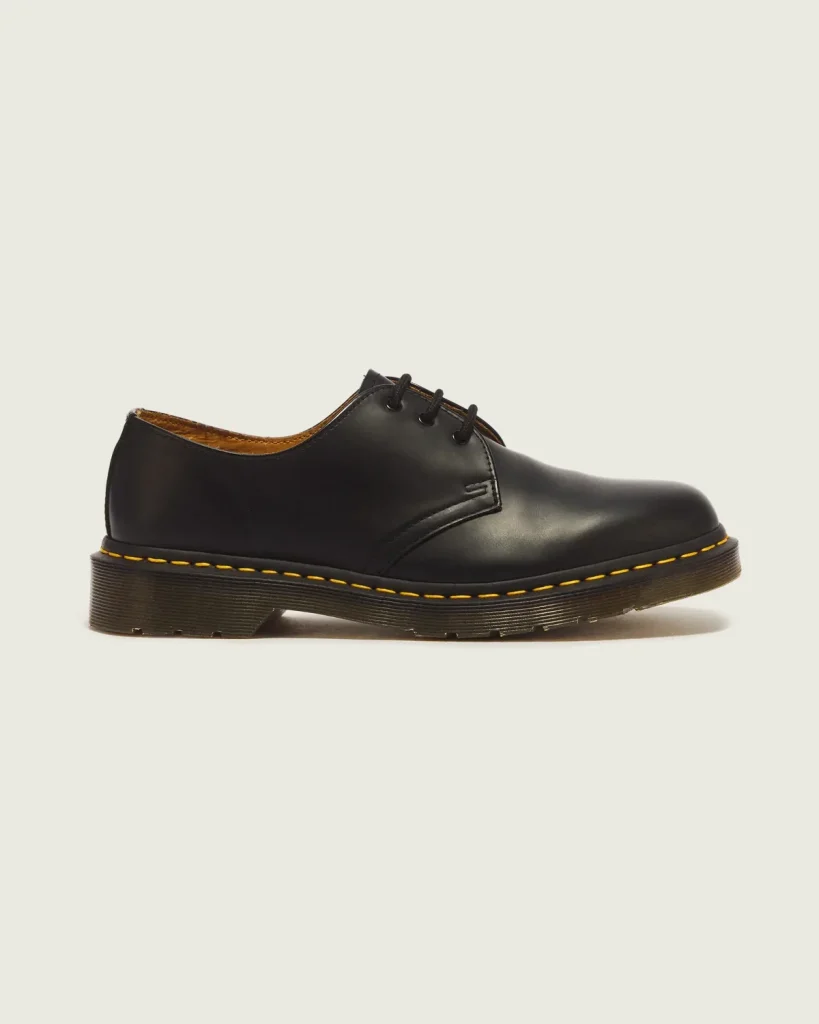
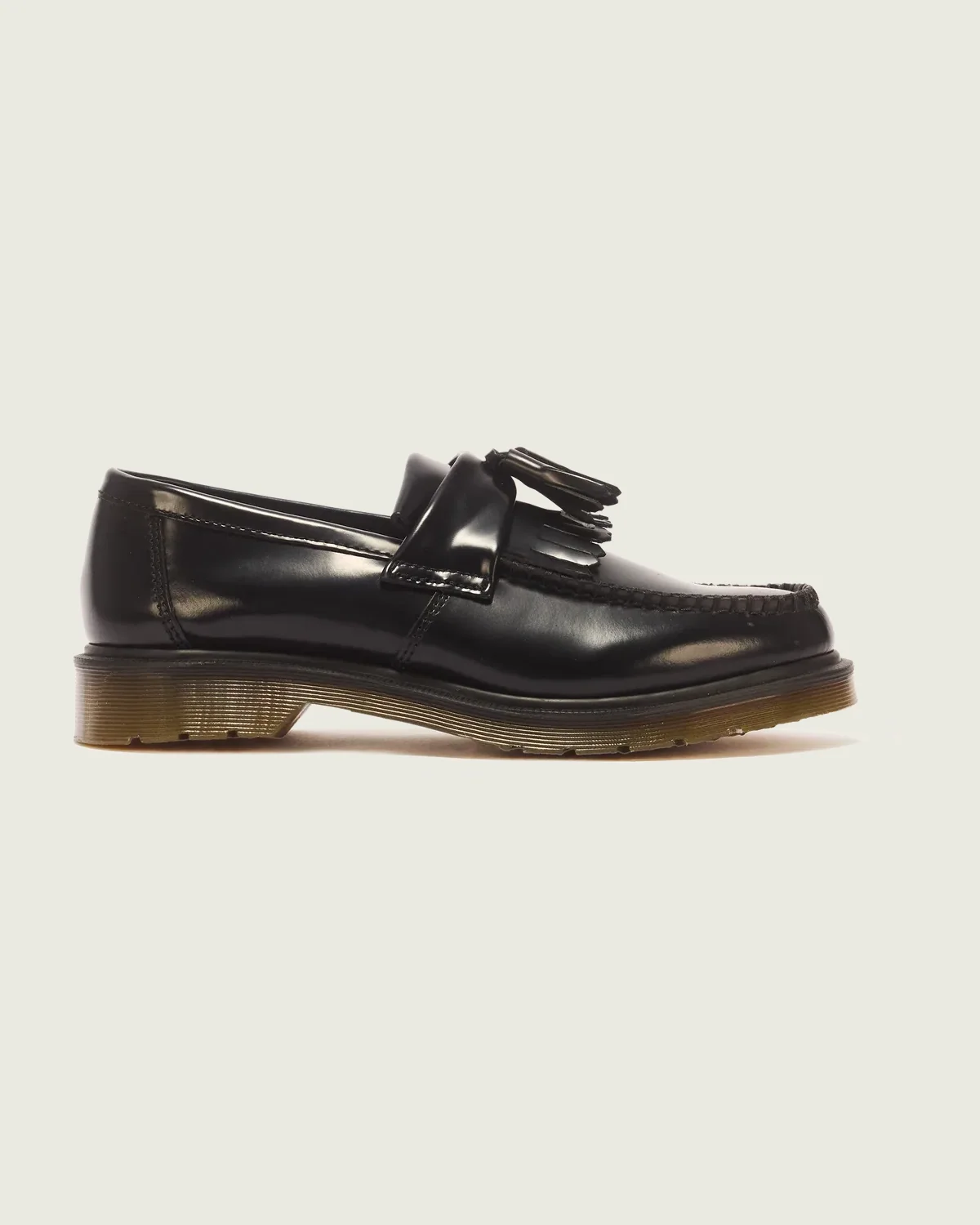
Begin with the opening
A loafer has little adjustment once your foot is inside. Check how the opening sits across the instep and whether the heel stays reasonably in place during a walk. Avoid choosing painful tightness on the assumption that every upper will stretch into the right shape.
Use a proper walking trial
Try both shoes and take several turns on a clean indoor surface. Notice toes, little-toe pressure and the heel at each step. A pair that feels fine while standing may move differently in motion. Compare sizes or shapes if you are gripping with your toes to retain the shoe.
Test your sock choice early
Thin, ribbed and hidden socks each change the fit. Bring the pair you expect to wear most and repeat the trial with it. If a hidden sock slides beneath the heel, choose one that holds better rather than accepting a fold of fabric under the foot.
Give the hem a purpose
An ankle-length trouser makes the opening and sock visible; a longer straight leg creates a quieter line. Check the result when seated, when more sock will show. Keep the hem clear of the heel so it cannot fold under the shoe while walking.
Change one styling element
For a relaxed outfit, try denim and a plain knit; for a sharper line, try pleated trousers and a simple shirt. Let socks supply a single contrast of colour or texture. You do not need matching leather accessories to make the shoes belong in the outfit.
Care for the heel shape
Use your hands or a shoehorn to put the shoe on without crushing the back. Remove grit after wear, air out damp linings and use the care method specified for the upper. Check heel lining and sole wear before repeated slipping becomes damage.
Wear what works for you. Make the story your own.