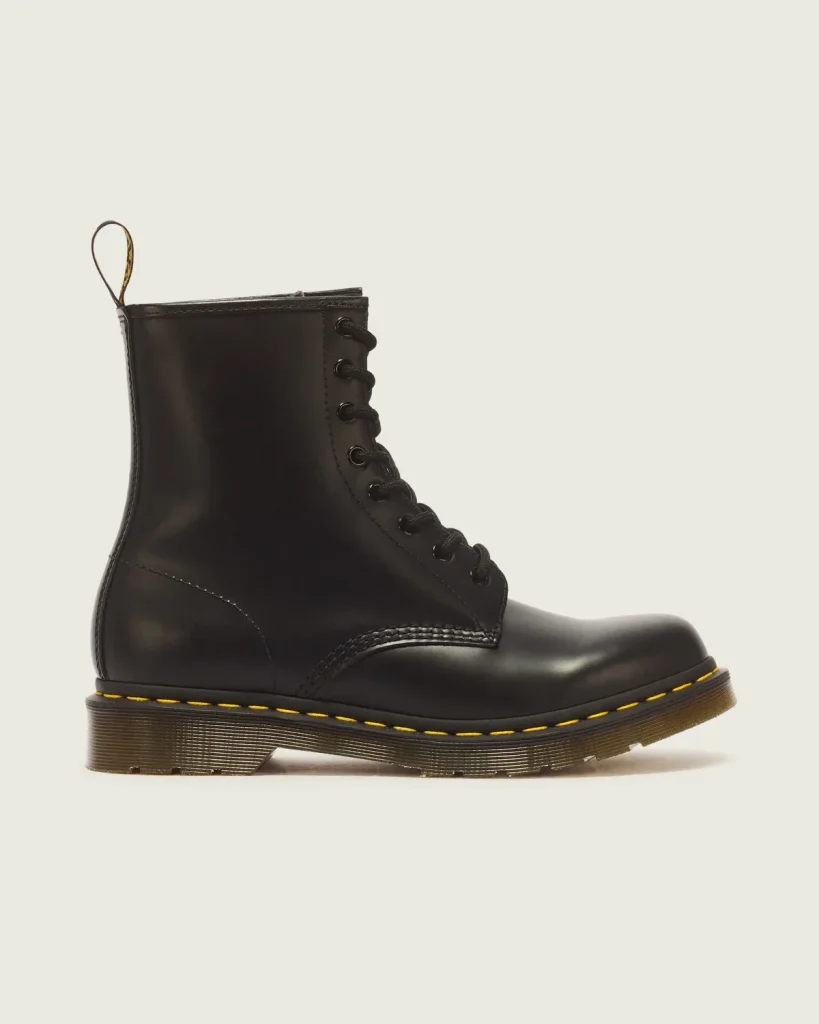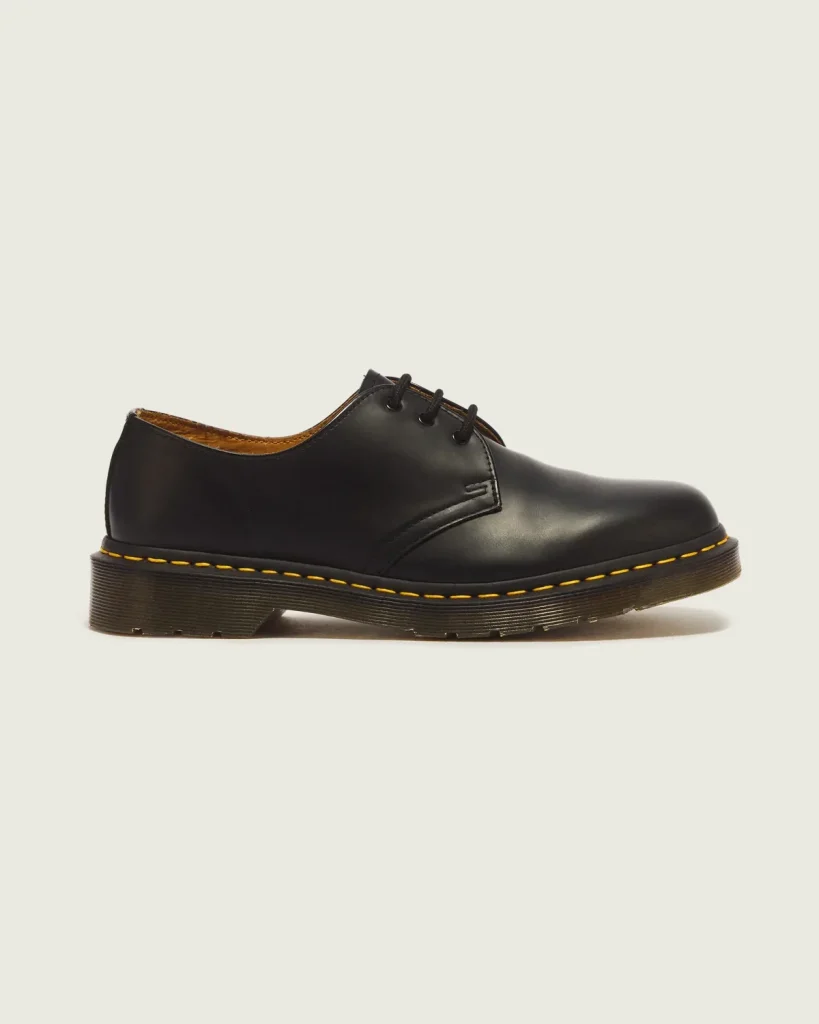
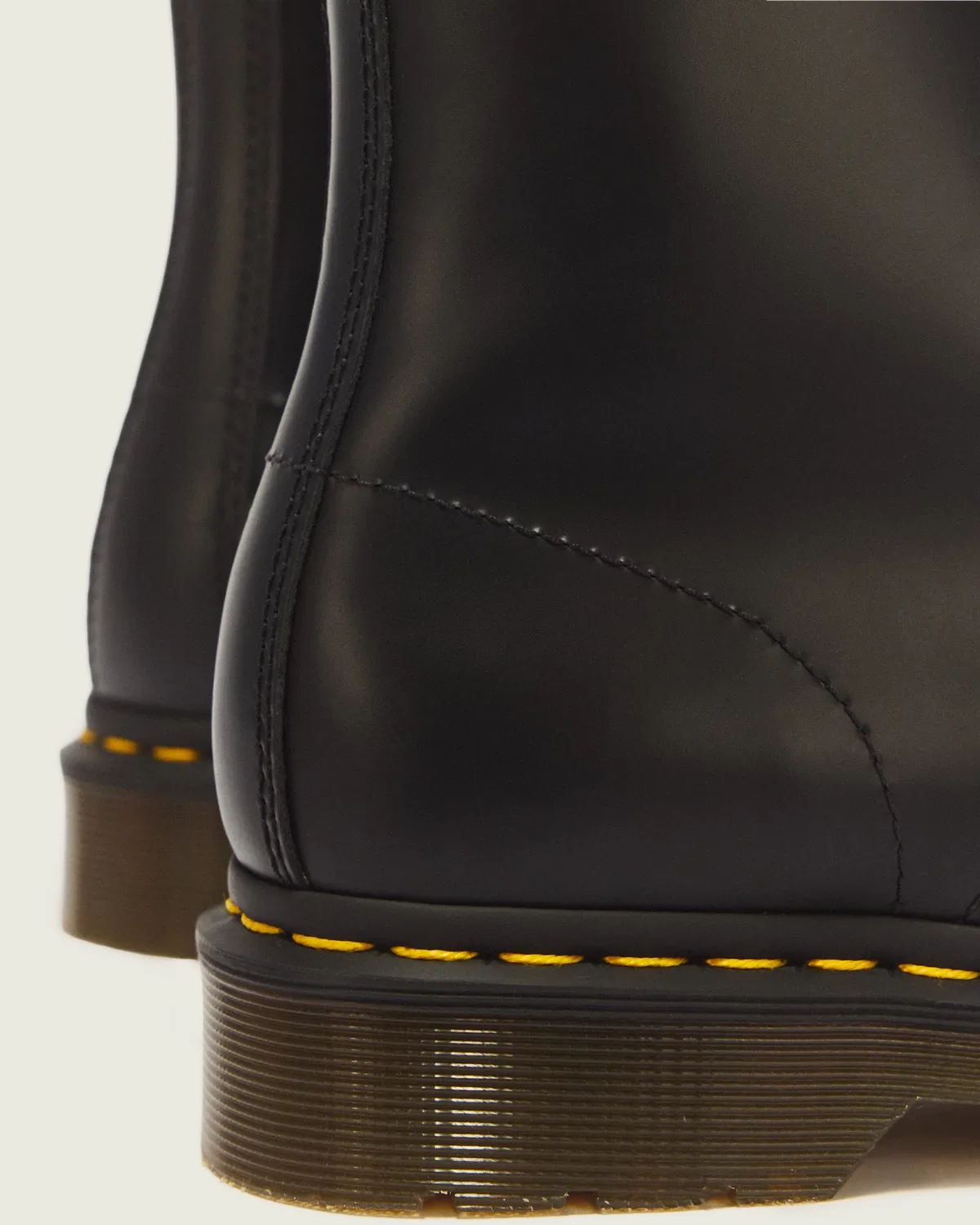
Take the pair off properly
Undo laces, straps or closures enough to remove the foot easily. Avoid pushing down one heel with the other shoe, which can scrape the upper and distort the back. Set the pair somewhere ventilated while you deal with coats and other damp layers.
Brush before using product
Remove dry surface dirt with a soft brush or cloth suited to the upper. Work around seams, sole edges and fastening joins without digging into them. Keep a separate cloth for muddy soles so the same grit is not rubbed back over a clean upper.
Match care to the material
Read the label before reaching for cream, polish or spray. Leather, suede, textiles and synthetic uppers can need different methods, and decorative finishes add another variable. Test an unfamiliar treatment in a hidden spot and check its appearance once fully dry.
Give damp footwear time
Open the shoe and let it dry at room temperature with air around it. Use clean unprinted paper for light support if needed, replacing damp paper rather than leaving it packed inside. Avoid direct heat and wait until the lining is dry before the next wear.
Inspect small wear points
Look at laces, buckle holes, lining, stitching and tread during cleaning. Catching a loose part early gives you time to arrange repair. If the sole separates, a fastening fails or tread becomes heavily worn, have the pair assessed before relying on it for another long day.
Store for the next outing
Put away only clean, dry footwear, leaving room between pairs so uppers do not rub. Use light shape support where suitable and keep it away from strong sun or damp storage. A quick check before leaving is still useful even when the pair looked fine the night before.
Wear what works for you. Make the story your own.