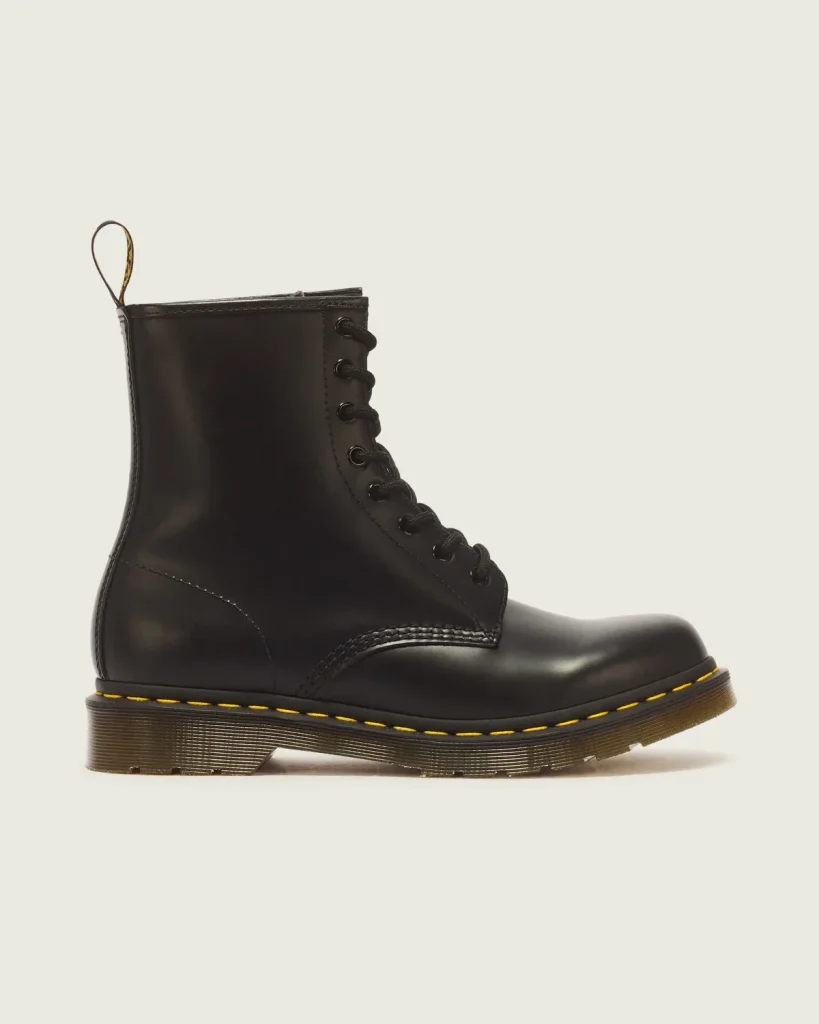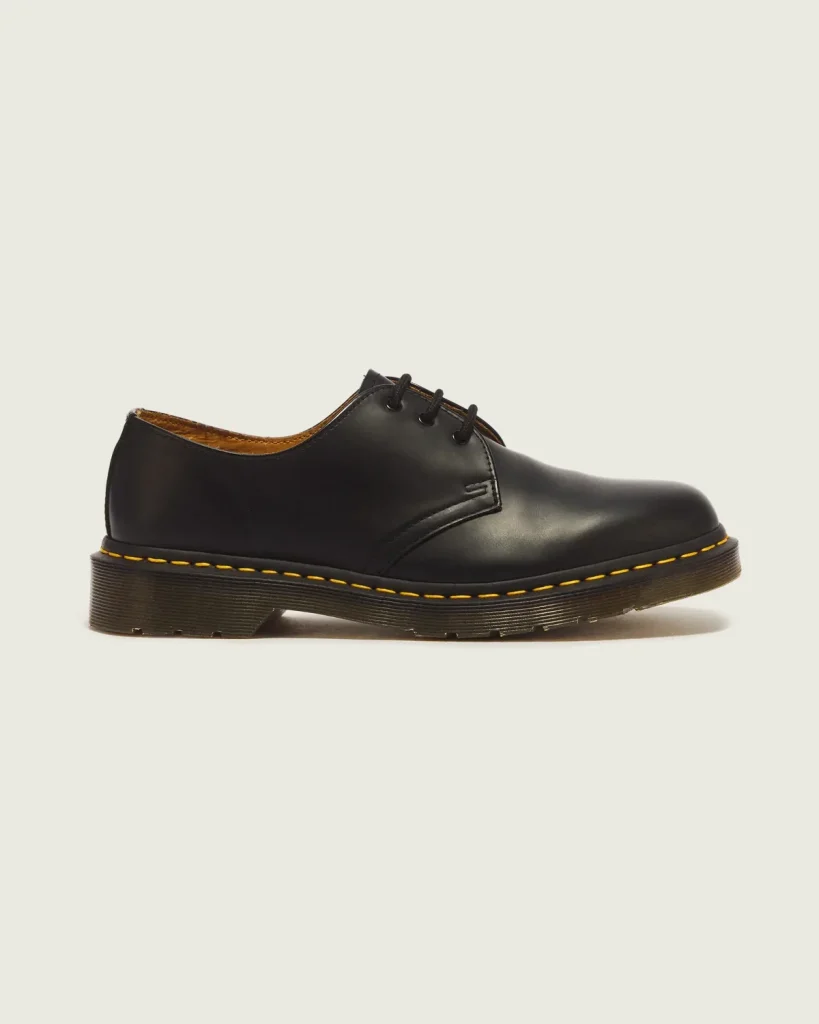
Start before the first outing
Try both shoes indoors with the socks you plan to wear. Check toe space, heel movement and pressure over the instep while walking and turning. Keep the soles clean while deciding whether the fit is suitable and check the seller's return conditions before outdoor wear.
Choose a short first session
Begin with a brief period at home, then take the pair off and inspect your feet and the lining. If that feels comfortable, build up gradually over separate outings. Keep an alternative pair available when your schedule does not allow you to stop early.
Adjust only one thing at a time
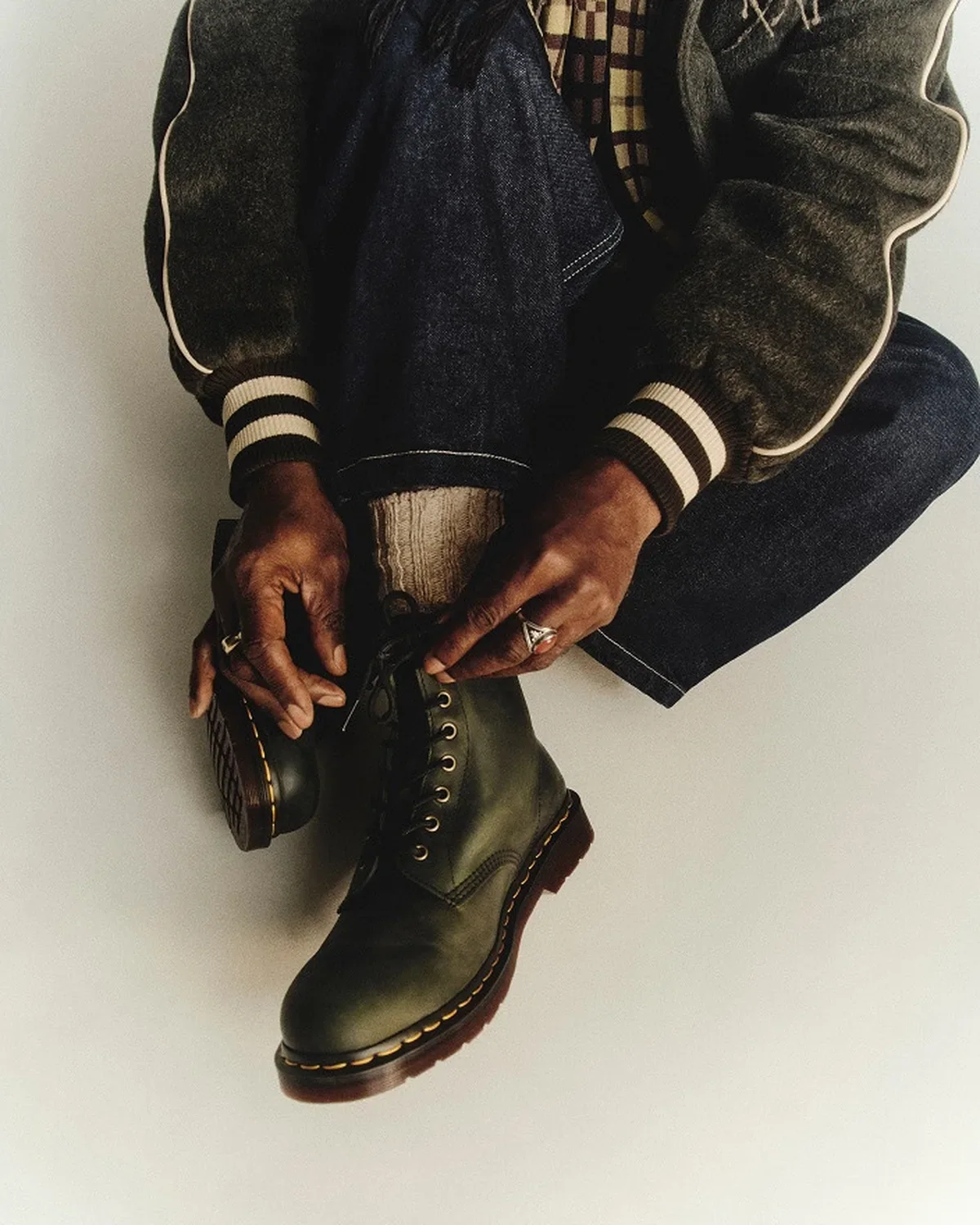
Check tongue position, lace tension and sock wrinkles before adding accessories. Change one element, then walk again to see what it actually does. Thick socks or extra insoles take up space and can create new pressure; they are not universal remedies.
Respond to rubbing promptly
If you feel a hot spot, stop and check the fit instead of waiting for the end of the route. Do not continue wearing footwear over irritated or broken skin. Persistent pain, numbness or injury deserves appropriate professional advice and a pause in wear.
Avoid forced shortcuts
Soaking, freezing, direct heat or bending a shoe aggressively can affect finishes, glues and shape. Do not use these methods as a substitute for a suitable fit. Ask the maker or a repair professional about any adjustment, especially with coated or unfamiliar materials.
Decide from repeated evidence
Note where pressure occurs and whether a small adjustment actually helps across short trials. Some materials soften, but changes in width and length are limited and unpredictable. If the same problem returns, consider a different size, shape or style instead of extending the trial indefinitely.
Wear what works for you. Make the story your own.